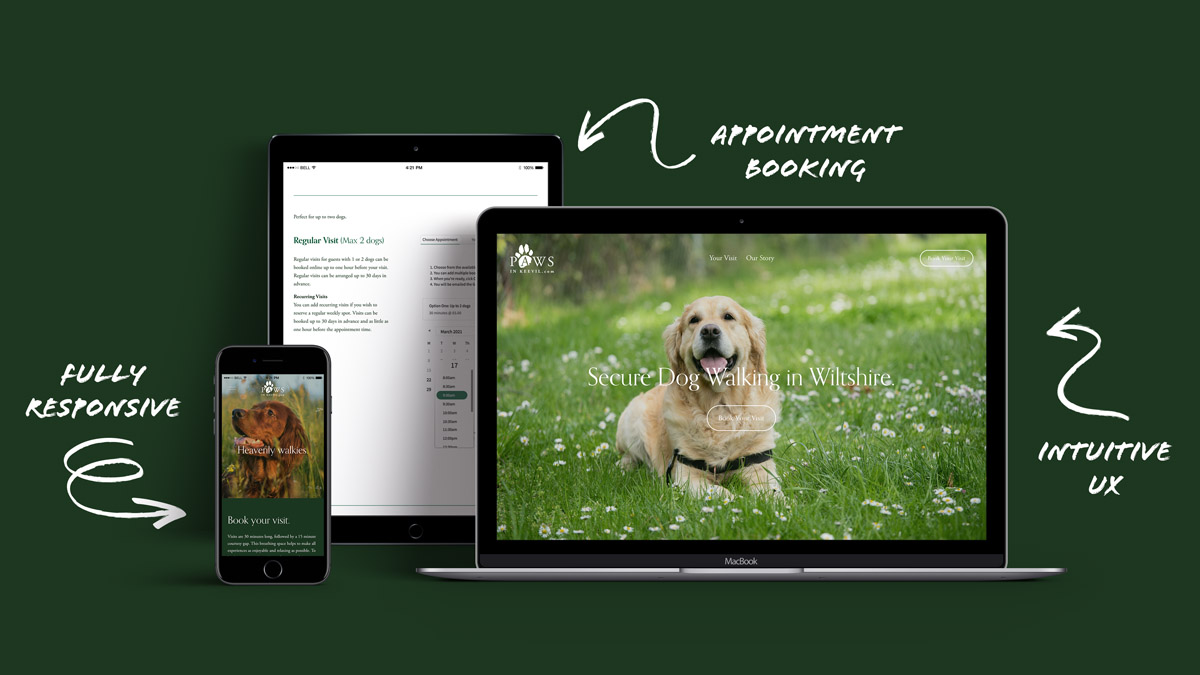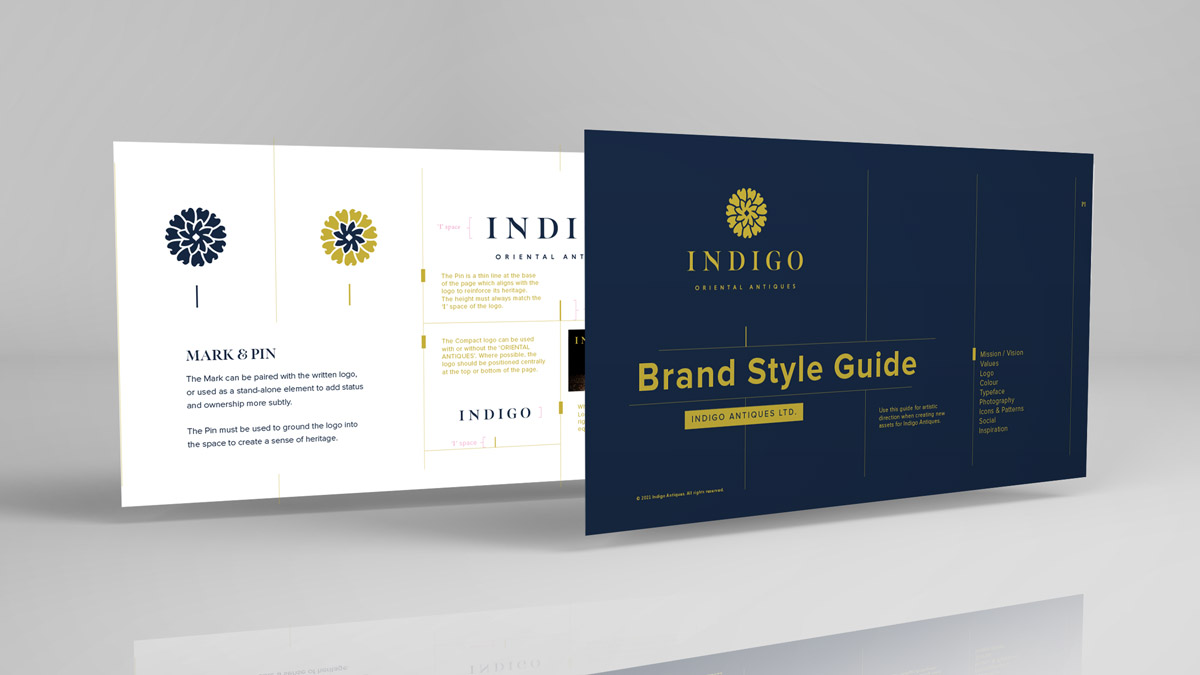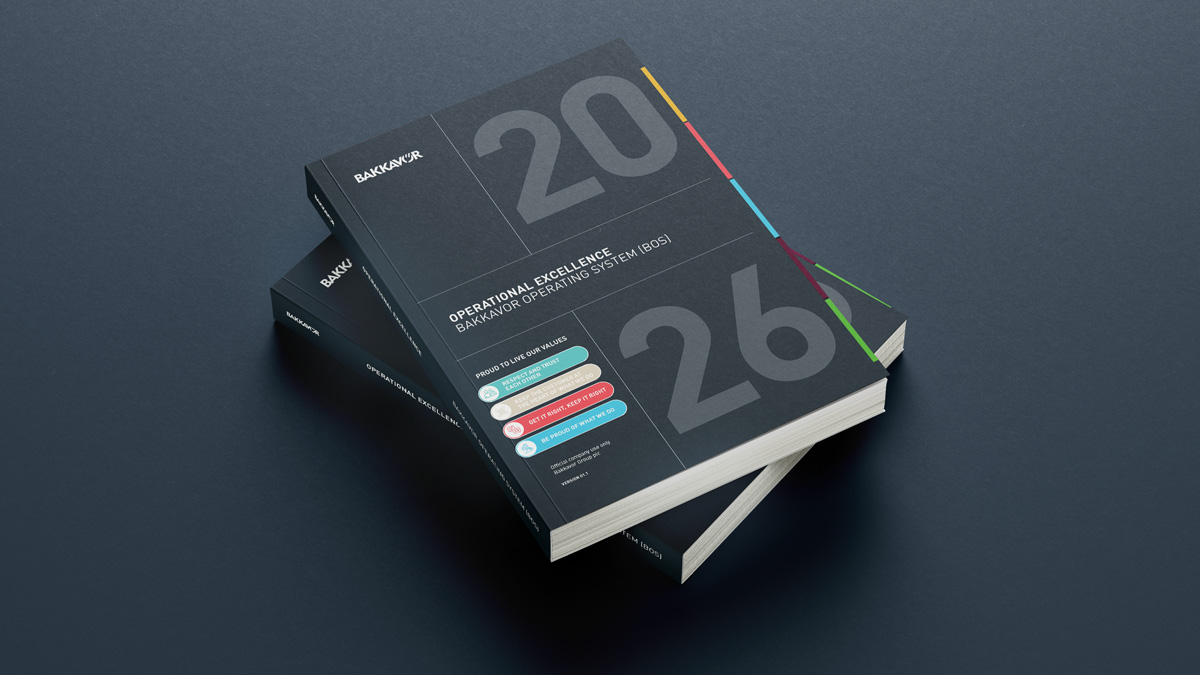
Business pivot all the time! Things move on, and rightfully they should. The offer is stronger, the team has grown, and you’re taking on projects that would have felt ambitious a few years ago. But put your website, latest proposal and sales presentation next to each other, and they seem to describe slightly different businesses. That inconsistency is easy to dismiss as a design issue, but it can also be a sign that your brand hasn’t kept pace with the business it represents. Has inconsistency become a problem?
Growth creates gaps
Most businesses don’t decide to become inconsistent. It happens gradually, through changes that make sense at the time. A proposal gets rewritten for a new opportunity, someone builds a presentation because the existing one doesn’t explain the offer properly, and the website receives a few updates while its central message stays the same. Before long, you have a collection of materials that no longer share a clear story.
Your team ends up bridging those gaps. They explain what the website leaves out, adapt slides before every meeting and work out their own way of describing what you do. The materials may still look reasonably good, but if everyone has to rewrite or explain them to make them useful, it’s worth asking whether they’re doing their job.
What a brand can help fix
A brand won’t fix a poor product or an unreliable service. A sharper identity can’t deliver on a promise the business isn’t equipped to keep. What it should do is improve communication and help people understand a good business more easily. Who is it for, what does it offer, and why should someone choose it? Those answers should come through clearly wherever someone meets your business, from the first page of your website to the proposal that helps them make a decision.
It should make life easier for your team too. Clear language, useful templates and a visual system they understand give people more confidence to represent the business. They still need room to adapt things for a particular client or conversation, but they shouldn’t have to work out the basics every time. When that foundation is there, they can spend more time talking about what matters to the customer and less time figuring out how to present it.
Where does communication get difficult?
If you suspect your business has outgrown its brand, it’s tempting to start with, “Do we need a new logo?” A more useful starting point is to look at what keeps causing problems. Which parts of your offer need explaining repeatedly? Where do your materials describe the business differently? What does the team keep recreating or rewriting, and does your website still reflect the work you want to win?
The answers give you a clearer brief than “make us look more premium”. You may need better messaging and templates, an identity that has more flexibility, or a broader rethink because the business has changed considerably. It’s easier to judge how much needs to change once you understand what isn’t working.
Build for the business you’ve become
You don’t have to lose the parts people already recognise and trust. The aim is to keep what works, develop what’s holding you back and give your team something they can use confidently every day. That might mean a website that explains your offer more clearly, a proposal that communicates the value of your work, or a presentation that people feel comfortable taking into a meeting.
If your business has moved forward but communicating it has become harder, that’s a good reason to take another look at your brand. It should help your audience understand you and help your team explain you, with enough consistency that the business feels like itself wherever it shows up.